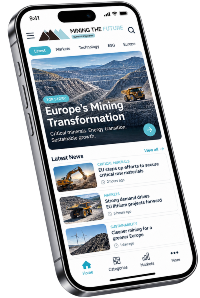





As Europe navigates the complexities of energy security and industrial sustainability, the region’s metals processing landscape is undergoing a significant transformation. This shift is not driven by new mineral discoveries but rather by the strategic integration of electricity into production processes. Key sectors such as aluminium, alumina, nickel-bearing alloys, and silicon are redefining their operational frameworks to prioritize energy efficiency and low-carbon technologies. The emerging corridor stretching from Norway to the Iberian Peninsula is at the forefront of this evolution, with projects emphasizing electrification and hydrogen integration.
Aluminium and Alumina in Spain: Energy Contracts as Lifelines
The San Ciprián complex in Galicia, operated by Alcoa, exemplifies the challenges faced by energy-intensive facilities in Spain. This site combines alumina refining and aluminium smelting, making it particularly vulnerable to fluctuations in energy prices. In response, Alcoa has committed between EUR 500–600 million towards capital expenditures aimed at enhancing efficiency and securing long-term renewable energy agreements. The facility’s future hinges on its ability to transition alumina refining into a competitive power operation rather than solely relying on bauxite inputs.
Norse Resilience: Aluminium Production Powered by Hydropower
In contrast, Alcoa’s Mosjøen smelter in Norway stands as a model of energy efficiency, benefiting from a robust hydropower infrastructure. With cumulative investments of USD 300–400 million, the facility has focused on enhancing automation and energy efficiency without expanding capacity. Long-term hydropower contracts mitigate volatility, ensuring stable margins and high utilization rates. This starkly contrasts with the operational challenges faced by facilities in regions reliant on external power contracts.
The Competitive Edge of Nickel-Bearing Alloys in Finland
The Tornio complex, managed by Outokumpu in Finland, integrates stainless steel production with captive ferrochrome, creating a vertically integrated nickel-consuming system. While not primarily a nickel refinery, Tornio’s economic viability is closely tied to nickel input costs and electricity sourcing. Recent investments of EUR 400–500 million have upgraded electrification and emissions control systems, aligning operations with Finland’s low-carbon grid dominated by nuclear and hydroelectric power.
Sweden’s Advancements in Battery Materials and Graphite Processing
In Sweden, the Talga Group is pioneering graphite processing projects for battery anodes that are entirely powered by low-carbon Nordic electricity. The projected capital expenditure ranges from EUR 400–500 million, focusing on mining and purification processes designed for energy efficiency. This approach highlights a broader trend where project value is increasingly derived from processing capabilities rather than raw material pricing.
Navigating Internal Energy Lessons in Nordic Copper Projects
Projects like Viscaria in northern Sweden are now designed with electrification as a core component rather than an afterthought. Anticipated capital expenditures of EUR 700–800 million will support infrastructure that aligns with Nordic refining capacities. Hydrogen is being explored as a targeted solution within specific contexts rather than a universal fix, emphasizing direct electrification for metals like aluminium while considering hydrogen for other applications.
A Unified Industrial Geography Across Europe
The concentration of metals processing across Europe is increasingly occurring in regions where electricity is abundant and decarbonized. Facilities engaged in alumina refining, for instance, can only survive through secured power contracts, while those involved in aluminium smelting thrive under hydropower-dominant conditions. The strategic alignment of metallurgy with stable energy sources is becoming essential for maintaining competitiveness.
The Electrified Metals Corridor represents more than just geographical trends; it embodies a disciplined approach to capital allocation under energy constraints. Projects that successfully integrate metallurgy with reliable power sources are positioned to access financing and market opportunities, while those that fail to align face potential restructuring or operational curtailment. As Europe continues to prioritize industrial sovereignty through sustainable practices, the dynamics of metals processing will likely evolve further.
