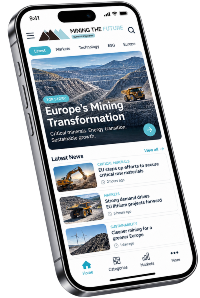





Serbia’s mining industry is poised for a significant transformation as a new wave of foreign investment emerges, driven by the increasing global demand for critical minerals. This second exploration phase builds on the momentum generated by the successful Timok copper-gold belt, expanding into a broader array of minerals, including lithium, antimony, and polymetallic systems. Unlike the previous investment cycle characterized by major acquisitions, this phase emphasizes early-stage exploration, particularly by junior mining companies.
The initial wave of investment in Serbia was catalyzed by groundbreaking discoveries in the Timok copper-gold system, which reshaped international perceptions of the country’s mining potential. With Zijin Mining’s involvement in large-scale development, Serbia established itself as a key player in Europe’s mining landscape. However, the current focus has shifted towards smaller-scale opportunities and district-wide exploration efforts led by ASX and TSX-listed companies seeking to capitalize on Serbia’s rich geological resources.
The growing interest in critical minerals aligns with global trends emphasizing energy security and sustainable industrial supply chains. Current exploration efforts are targeting lithium resources essential for the energy transition, alongside antimony and polymetallic systems that hold strategic value. Additionally, previously underexplored gold districts are now being evaluated for their potential contributions to Serbia’s mining output.
As the investment landscape evolves, so too do the challenges facing mining companies in Serbia. Investors are increasingly aware of environmental, social, and governance (ESG) compliance requirements. The rising scrutiny surrounding community engagement and environmental permitting processes adds layers of complexity to project development. Notably, public opposition to specific mining initiatives—especially lithium projects—has heightened the need for companies to navigate these social risks while pursuing geological opportunities.
Despite these hurdles, Serbia retains its attractiveness for exploration capital due to several structural advantages. The country boasts established mining and smelting infrastructure, robust regional logistics connections, and a skilled workforce with expertise in the sector. Furthermore, Serbia’s geological potential across various mineral systems continues to entice investors looking for viable opportunities amidst a competitive European market.
In summary, Serbia is carving out a unique position within Europe’s resource sector. It stands out not only for its geologically promising landscapes but also as a strategically significant location amid shifting supply chain dynamics. However, the political sensitivity surrounding environmental and social concerns underscores the need for careful management of mining operations. As global competition intensifies for vital raw materials like copper and lithium, Serbia remains a focal point for investment and exploration in the region.
